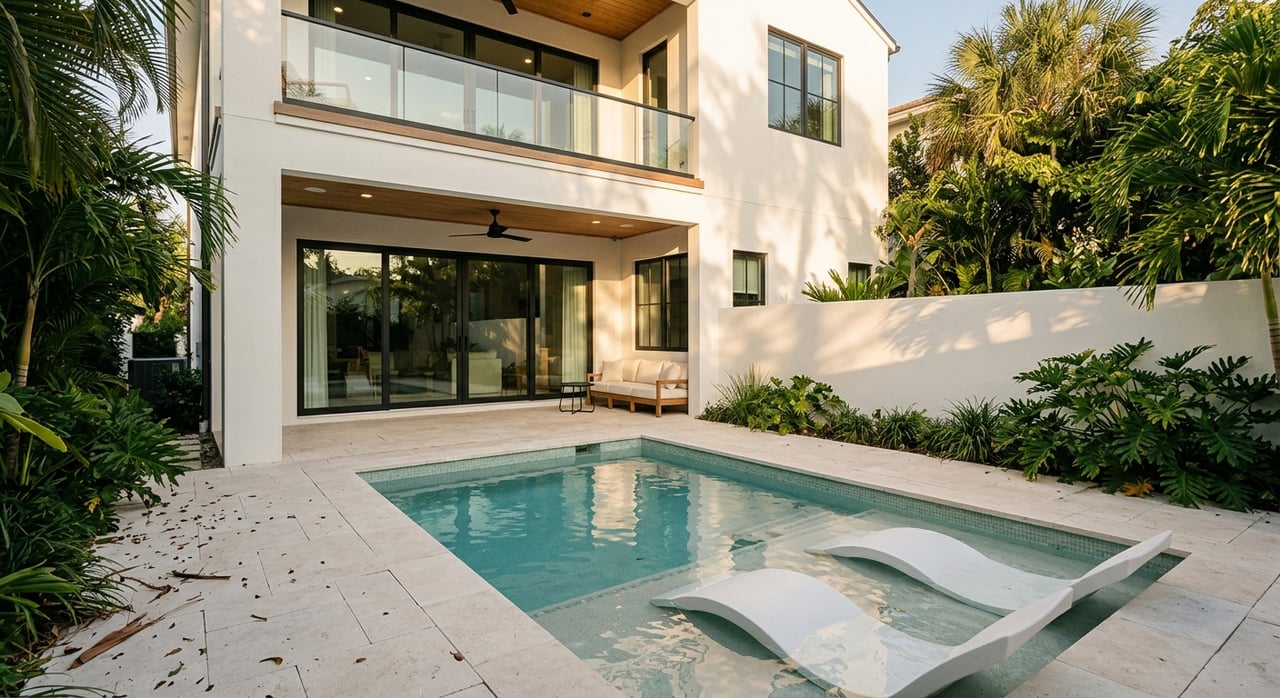
If waking up near the Atlantic sounds like the lifestyle upgrade you have been waiting for, Jacksonville Beach is probably already on your radar. But buying near the ocean is not just about finding a home you love. It is also about understanding price differences, property types, insurance costs, flood risk, and the details that can shape your monthly budget and long-term peace of mind. This guide will help you think through what matters most when buying near the ocean in Jacksonville Beach. Let’s dive in.
Buying near the ocean in Jacksonville Beach usually comes with a meaningful coastal premium. According to Redfin’s Jacksonville Beach housing market data, the median sale price in March 2026 was $607,500, compared with $300,000 in Jacksonville overall.
That does not mean every property is priced the same way. Zillow’s Jacksonville Beach home value data shows neighborhood values ranging from about $327,231 in North Beach to about $776,895 in Isle of Palms as of March 2026. In a beach market, location, lot type, and distance to the water can have a big impact on value.
You may also notice different pricing numbers across websites. That is normal. Redfin reflects sold-price trends, while Realtor.com’s Jacksonville Beach search snapshot and Zillow highlight current listings and valuation snapshots, which helps explain why active list prices can appear higher than recent sale prices.
Jacksonville Beach looks more balanced than overheated, but that does not mean you can move slowly on every listing. Redfin describes the market as somewhat competitive, with homes selling about 3% below list price on average and going pending in around 85 days, while some hot homes can go pending in about 41 days.
Realtor.com’s February 2026 snapshot also points to a balanced market, with a median list price of $699,900, 72 median days on market, and a 96% sale-to-list ratio. For you as a buyer, that creates a useful middle ground: there may be room to negotiate, but the best-positioned homes can still attract quick interest.
The right near-ocean purchase often starts with a simple question: how much maintenance do you want to take on? In Jacksonville Beach, many buyers compare condos, townhomes, and single-family homes in the same search.
A condo can be a strong fit if you want beach proximity with less exterior maintenance. Fannie Mae’s condo buying guide explains that condos involve individual ownership of your unit with shared ownership of common areas and amenities.
That shared setup can simplify day-to-day upkeep, but it also means monthly dues matter. You will want to understand what the condo fee covers, whether parking is assigned, and what the association’s master insurance policy includes. Near the ocean, those details can affect both your budget and your lender’s review.
Townhomes often sit in the middle. They may offer more privacy and square footage than a condo, while still reducing some maintenance compared with a detached home.
As Fannie Mae notes, the structure of the project matters more than the label. You should look closely at who handles exterior maintenance, what the fees include, and how insurance, storage, and parking are set up before deciding whether a townhome is the right fit.
A single-family home usually gives you more control over the property, but it also gives you more responsibility. You are typically handling the roof, exterior, yard, and maintenance planning yourself.
That extra control can be appealing if you want privacy or more flexibility. It is also worth noting that, according to Florida DBPR condo inspection guidance, Florida’s milestone inspection rules apply to certain condo and co-op buildings, not standard low-rise single-family homes.
This is where many near-ocean buyers need the clearest planning. Your monthly cost is not just principal and interest. In Jacksonville Beach, your real carrying cost may include homeowners insurance, possible flood insurance, and HOA or condo dues.
The Florida Office of Insurance Regulation explains that standard homeowners insurance typically covers storm damage, but flood is usually excluded. For condos, HO-6 coverage is generally walls-in coverage, while the association’s master policy typically covers the exterior structure and common areas.
If you are comparing a condo to a detached home, do not assume the condo is automatically cheaper overall. A condo may lower exterior-maintenance responsibility, but dues, insurance needs, and possible special assessments can change the equation quickly.
Buying near the ocean means flood due diligence should happen early, not after you fall in love with a property. FloodSmart and FEMA note that everyone has some flood risk, and high-risk coastal zones such as V and VE zones carry added storm-wave hazard.
If a home is in a high-risk flood zone, flood insurance is required for federally backed mortgages. That is why checking the official flood map early can help you avoid surprises during underwriting or insurance quoting.
For Jacksonville Beach buyers, this step is practical, not optional. It helps you estimate your true monthly cost and better understand the property’s risk profile before you write an offer.
Timing matters more in a coastal market than many buyers expect. NOAA’s hurricane season information states that the Atlantic hurricane season runs from June 1 through November 30, with peak activity typically between mid-August and mid-October.
That does not mean you should avoid buying during hurricane season. It does mean spring and early summer can be a smart window to complete inspections, insurance quotes, and lender review before weather-related complications affect repairs, underwriting, or scheduling.
If you are buying a condo or townhome with an association, the document review period is one of the most important parts of the transaction. In a beach market, the association packet can tell you almost as much as the unit itself.
According to DBPR, milestone inspections apply to condo and co-op buildings at certain ages, and reserve studies are required for residential condo associations with buildings that are three or more habitable stories. If reserves are not adequately funded, associations may need special assessments, loans, or lines of credit to stay compliant.
Fannie Mae also says lenders may review the building’s physical condition, financial stability, pending lawsuits, structural issues, evacuation orders, and whether required inspections have been completed. That is why you want clear answers before your contingency periods expire.
When you are reviewing a near-ocean condo or townhome, ask practical questions like these:
A balanced market can work in your favor if you stay prepared. Jacksonville Beach is not typically a market where you need to remove every protection just to compete, but strong homes in attractive locations can still move quickly.
A strong offer often includes:
This approach helps you stay competitive without being reckless. In a coastal purchase, the best strategy is usually to move decisively while keeping the right guardrails in place.
Not every Jacksonville Beach home delivers the same ocean-adjacent experience. Some buyers want a condo with easy beach access and minimal maintenance. Others want a detached home farther inland within Jacksonville Beach, where pricing, lot size, and upkeep can look very different.
That is why comparing by map matters just as much as comparing by square footage. Within one coastal market, property value can shift quickly based on proximity to the water, building type, and ownership structure.
Buying near the ocean in Jacksonville Beach can be incredibly rewarding, but it works best when you look beyond the view. Price, flood zone, insurance, association health, and maintenance structure all shape whether a home feels like a great fit after closing, not just on showing day.
If you want a clear, grounded plan for buying in Jacksonville Beach or anywhere along the Northeast Florida coast, Tara Belanger can help you compare options, understand the numbers, and move forward with confidence.
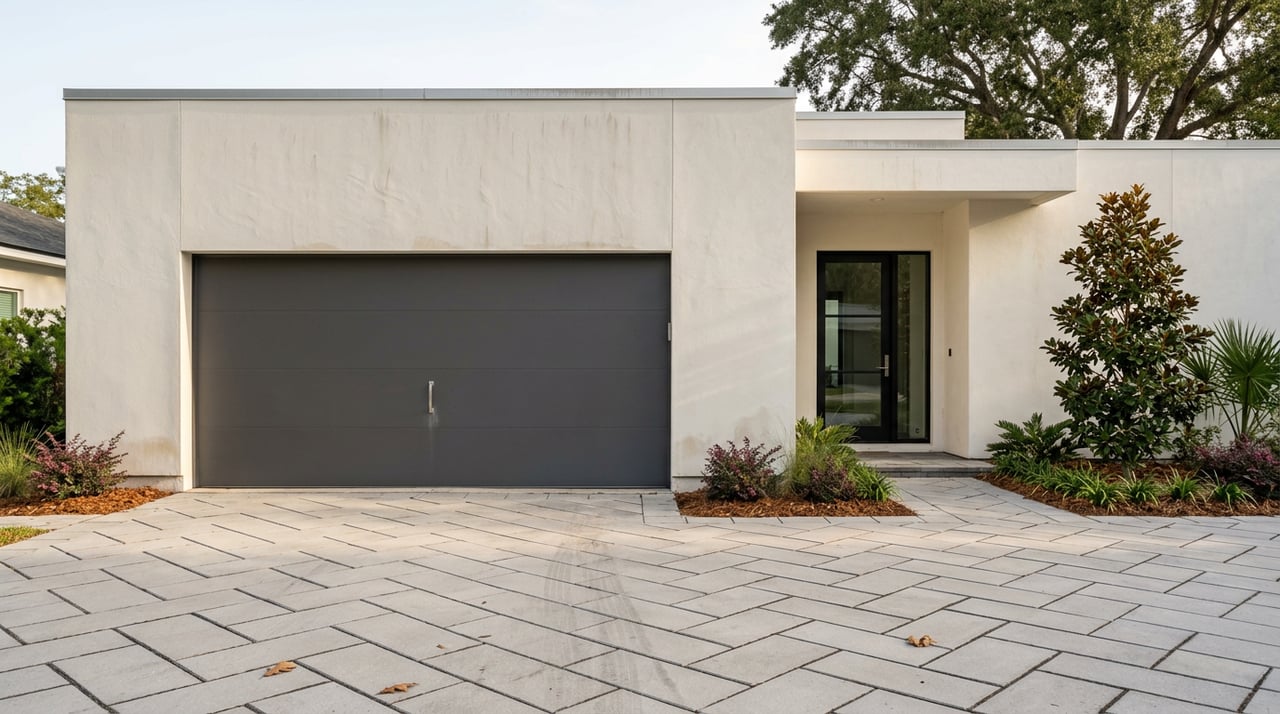
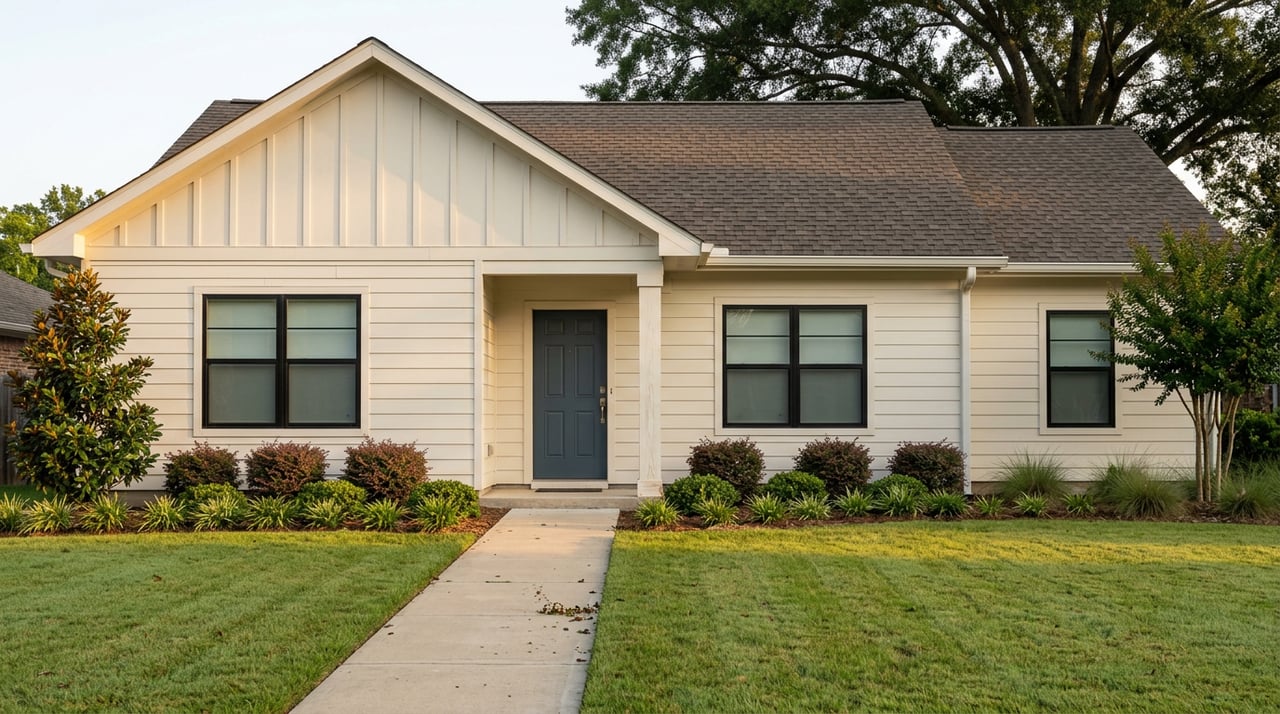
Choosing Tara means partnering with a knowledgeable advocate who understands both the local market and the relocation process firsthand. Her certifications in luxury marketing and listing strategy ensure your property receives elevated exposure and precise positioning. With strong relationships among builders and industry professionals, she provides access and insight beyond the public market. Every transaction is handled with clarity, discretion, and a commitment to exceptional results.