If you are trying to picture daily life in Green Cove Springs, the short answer is this: it feels slower, more local, and more connected to the river than many other Northeast Florida communities. You may be looking for a place with a little breathing room, a recognizable downtown, and a lifestyle that leans more toward parks and waterfront views than nonstop sprawl. This guide will help you understand what the city actually feels like on the ground, from recreation and housing to commuting and growth. Let’s dive in.
Green Cove Springs is a small city on the St. Johns River in Clay County, with about 10,000 residents according to the city. It was incorporated in 1874 and describes itself as a full-service community with a golf-cart-friendly culture, spring water, parks, and strong ties to the waterfront.
That description matters because it helps explain why the city feels distinct. This is not a place built around high-rise density or a fast urban pace. Instead, the local identity centers on the river, public spaces, and a historic county-seat feel.
One of the biggest things you notice about Green Cove Springs is how much the waterfront influences everyday routines. Spring Park sits right on the St. Johns River and serves as a major gathering place for residents and visitors.
The park includes a spring-fed swimming pool, playgrounds, picnic shelters, a city pier, and a kayak launch. It also hosts Memorial Day RiverFest, which adds to the sense that the riverfront is not just scenery, but part of how the community spends time together.
For you as a buyer, that can translate into a lifestyle that feels easy to imagine. Morning walks near the water, afternoons at the pool, casual meetups at the park, and time outdoors all fit naturally into the rhythm of the city.
Green Cove Springs is not a one-park town. The city says its parks department maintains four parks plus the city pool, pier, gym, and arts and community center.
That broader recreation system gives the city a more rounded feel. You are not only getting river views. You are also getting access to year-round programming, community facilities, and places designed for both outdoor activity and local events.
The city also highlights the Augusta Savage Arts and Community Center and the museum and mentoring building as part of its recreation and community offerings. That means daily life here can include both time outside and opportunities to plug into local programming.
If you value a town with personality, downtown Green Cove Springs is a big part of the appeal. The city’s history and planning materials point to multiple National Register historic districts, along with preserved civic landmarks such as the former county courthouse and jail.
The city manager also describes downtown as having cobblestone streets, an art gallery, a bed and breakfast, restaurants, and National Register-listed structures. Taken together, those details create a setting that feels more rooted and recognizable than a newer commercial corridor.
For many buyers, this is where Green Cove Springs stands apart. It feels closer to a historic small town with civic identity than a place defined mainly by new retail strips or master-planned sameness.
Green Cove Springs is not frozen in time. The city is actively planning for future growth, and that shapes the experience of living there too.
Planning and zoning materials show long-range work that includes a Downtown Master Plan, Walnut Street design work, and formal review of new development against the comprehensive plan. The city’s redevelopment materials also state that the 2045 Comprehensive Plan was adopted to prepare for growth and guide reinvestment in downtown and other parts of the city.
That is useful if you are weighing charm against change. Green Cove Springs offers historic character, but it is also a place where growth is being managed through ongoing planning and development review.
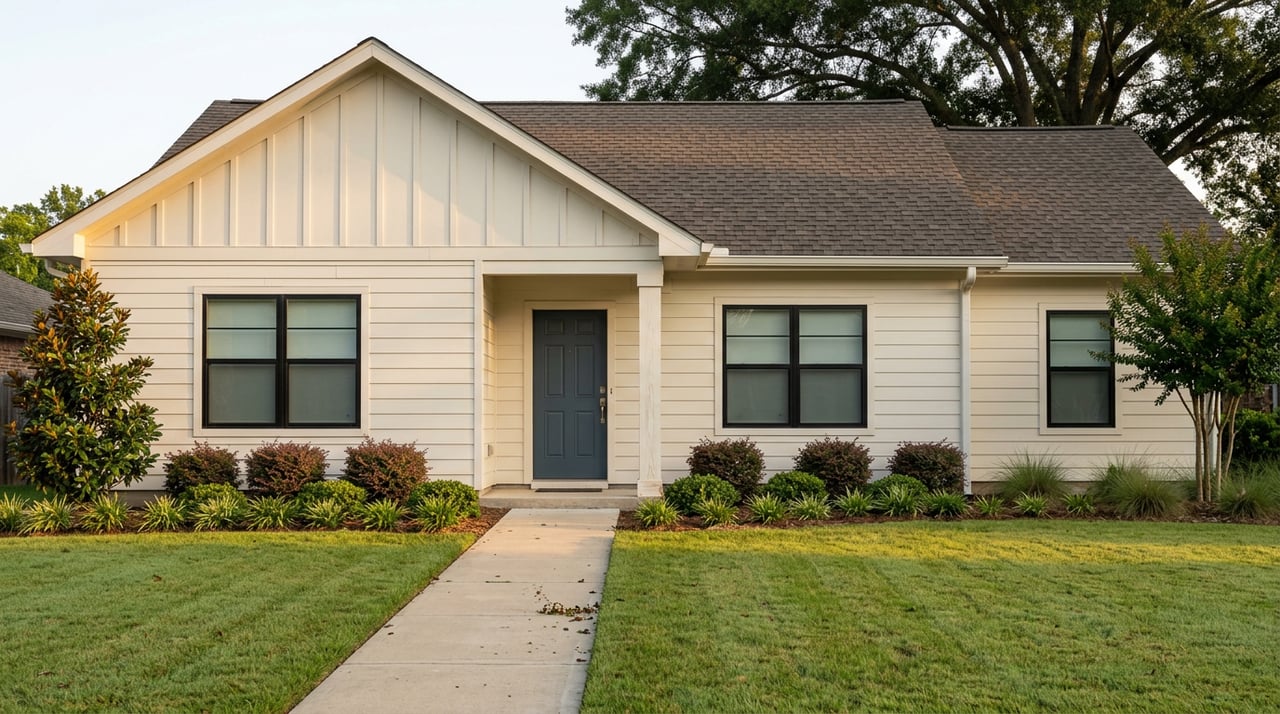
From a housing perspective, Green Cove Springs offers a blend of established areas and newer development. Census-based data shows that 65 percent of housing is owner-occupied and 89 percent of structures are single-unit homes.
The move-in dates also point to a mixed housing story. Some homes date from earlier periods, while a large share of occupancy growth happened from 2010 through 2020, with additional move-ins since 2021.
For you, that usually means you may find more than one type of setting here. Some parts of the city may feel more established, while other sections reflect newer growth and ongoing residential expansion.
If you are considering Green Cove Springs for a newer home or want to understand where the city is headed, development activity matters. City council and planning materials show current zoning and planned unit development work, including the Rookery project with up to 2,100 allowed homes.
That does not mean every part of Green Cove Springs will feel brand new. It does mean the city is balancing its existing identity with future residential growth.
For relocation buyers and new-construction shoppers, this can be an important point. You may have options that range from more established neighborhoods to areas shaped by recent or future development.
Another big part of daily life is how you get around. In Green Cove Springs, commuting patterns are clearly car-first.
Census-based figures show a mean commute time of 28.8 minutes. They also show that 65 percent of workers drive alone, 16 percent carpool, 14 percent work from home, and public-transit commuting accounts for 0 percent of trips in the reported data.
In practical terms, Green Cove Springs tends to function as a driving community tied to the broader Clay County and Jacksonville area. If you are moving from a place where transit is central to daily life, this will likely feel different.
While daily life is mostly built around driving, there are some regional transportation options. Clay County’s Clay Express Select provides weekday commuter service between Clay County and the Jacksonville Regional Transportation Center at LaVilla, and county community transportation routes also serve Green Cove Springs.
That said, most households should still expect to rely on a car for regular errands, work, and day-to-day movement. The local rhythm is more suburban and regional than transit-dependent.
When people ask what living in Green Cove Springs really feels like, lifestyle is usually the heart of the question. Based on the city’s identity, recreational spaces, downtown character, and commuting profile, the overall pace reads as slower and more grounded than many faster-growing Florida markets.
This may be a strong fit if you want water access, local parks, historic surroundings, and a community scale that feels manageable. It may be less about dense shopping and constant activity, and more about everyday comfort, outdoor time, and a sense of place.
Green Cove Springs can make sense for buyers who are trying to match their home search with a specific lifestyle. If you are comparing Clay County communities, this city may appeal to you if you are drawn to:
For early-stage buyers, that combination can be especially helpful. It gives you a clearer picture of whether your ideal day looks more like waterfront walks and local events than a faster, more built-up environment.
If Green Cove Springs is on your shortlist, it helps to look beyond listing photos and focus on the lifestyle details. Think about how often you want to be near parks, whether a historic downtown matters to you, and how comfortable you are with a drive-oriented routine.
It is also smart to pay attention to the city’s growth path. Because Green Cove Springs includes both established areas and active development planning, your experience can vary depending on where in the city you choose to live.
The best move is to compare the day-to-day feel, not just the home itself. That is often what tells you whether a place will feel right long after closing.
If you are considering a move to Clay County or trying to narrow down the right Northeast Florida community, working with a local guide can make the process much clearer. Tara Belanger helps buyers and sellers navigate relocation, new construction, and lifestyle-driven moves with a calm, informed approach.
Choosing Tara means partnering with a knowledgeable advocate who understands both the local market and the relocation process firsthand. Her certifications in luxury marketing and listing strategy ensure your property receives elevated exposure and precise positioning. With strong relationships among builders and industry professionals, she provides access and insight beyond the public market. Every transaction is handled with clarity, discretion, and a commitment to exceptional results.